Leon Keller · 27 October 2026
Tracing Subtle Connections Between Commentary Practices and Global Equity Framework Evolutions
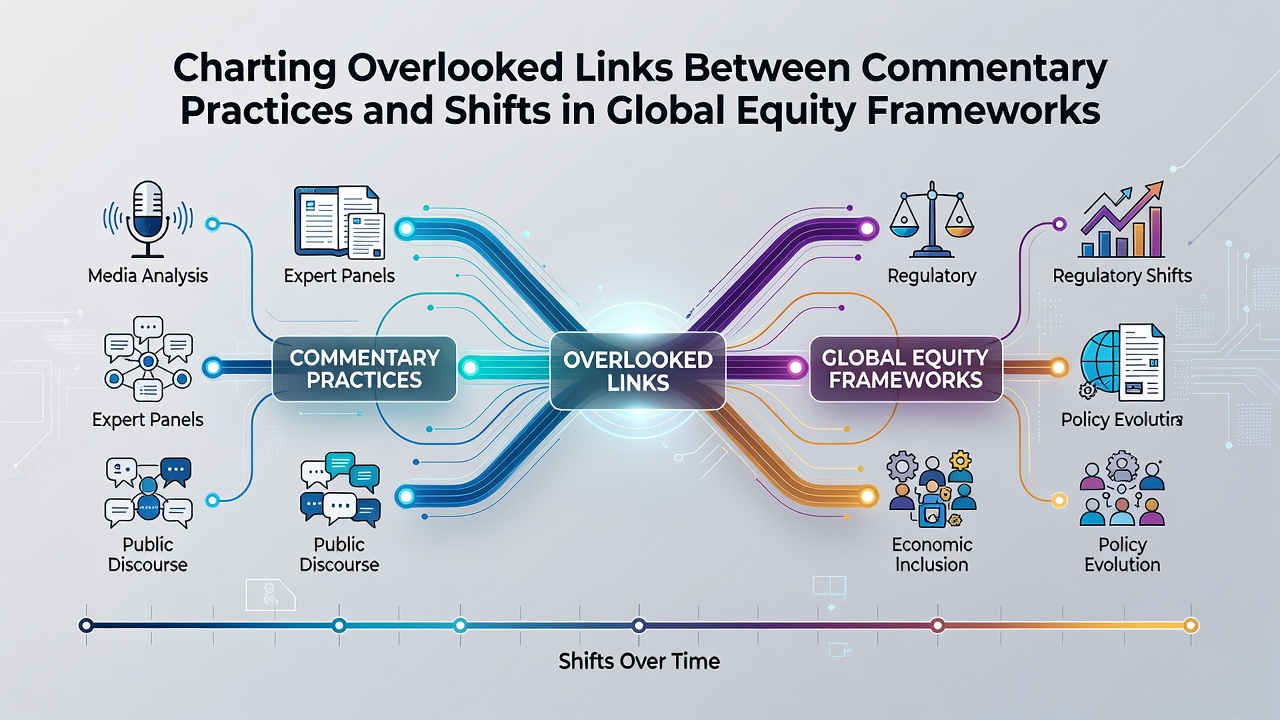
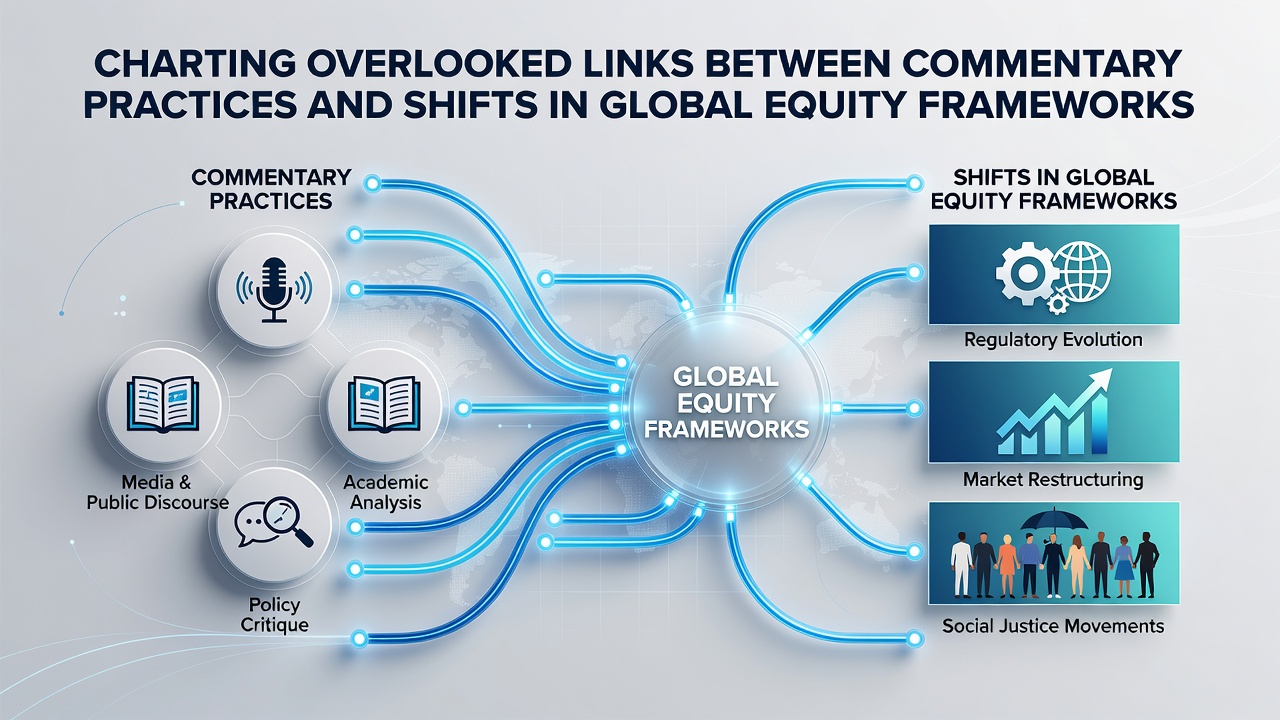
Observers note that commentary practices in media and policy analysis often intersect with broader shifts in global equity frameworks through indirect channels that receive limited attention, and researchers have documented these patterns across multiple regions since the early 2010s, while data from international bodies shows gradual changes in how equity considerations appear in trade agreements and reporting standards.
Studies from academic institutions reveal that opinion pieces and analytical commentary frequently shape public discourse around equity metrics, which in turn influences the language adopted in multilateral negotiations, and evidence from reports compiled by organizations like the OECD indicates rising references to inclusive growth principles in documents finalized between 2015 and 2025.
Historical Patterns in Commentary Influence
Experts have observed that early examples of this linkage appear in coverage of post-2008 financial reforms, where commentary on fairness in banking regulations coincided with updates to equity benchmarks used by institutions such as the World Bank, and those analyses often highlighted disparities that later informed revised assessment criteria applied in developing economies.
What's interesting is how regional variations emerge, with European Commission publications from 2018 onward incorporating terminology drawn from contemporaneous media discussions on social mobility, whereas parallel shifts in Asian policy documents drew from different commentary sources focused on urban-rural divides.
Developments Leading Into 2026
Data compiled through 2025 shows an uptick in commentary addressing equity within climate adaptation strategies, and this trend aligns with preparations for major forums scheduled in October 2026, including reviews of progress toward sustainable development targets that emphasize distributional impacts across populations.
Researchers discovered through content analysis that articles published in outlets across North America and Australia during 2023-2025 increasingly connected equity frameworks to supply chain transparency rules, which subsequently appeared in updated guidelines from bodies like Canada's federal trade agencies and similar entities in the Asia-Pacific region.
Case Examples Across Regions
One study revealed that commentary surrounding access to education resources in Latin American contexts preceded adjustments in equity measurement tools used by regional development banks, and the connections involved shared vocabulary around opportunity gaps that migrated from media analysis into formal frameworks.
Turns out these patterns hold in sectors beyond economics, as commentary on health equity during global health crises correlated with revisions in WHO-adjacent reporting standards that incorporated new indicators for vulnerable groups, while parallel examples appear in African Union policy papers referencing media-driven discussions on resource allocation.
Mechanisms of Transmission
Those who've studied this process describe several pathways, including direct citations of commentary in stakeholder submissions to policy bodies, and indirect effects through public opinion data that policymakers reference when drafting new equity provisions, and figures from research institutions show measurable increases in such cross-references during periods of heightened media attention on inequality metrics.
But here's the thing: quantitative reviews of document archives indicate that commentary does not dictate outcomes yet often supplies framing devices that persist in final texts, and this holds across sources from the United States Treasury reports to equivalent materials issued by Australian regulatory offices focused on economic inclusion.
Looking Ahead to Integrated Approaches
Evidence suggests that ongoing monitoring of commentary trends could support more precise tracking of equity framework modifications, particularly as preparations advance for October 2026 gatherings where updated indicators may feature prominently, and analysts continue to map these overlaps using datasets from diverse geographic origins to identify consistent signals amid regional differences.
Conclusion
Overall the documented links between commentary practices and shifts in global equity frameworks rest on patterns of language transfer and discourse alignment that multiple studies have quantified, and continued examination of these dynamics through 2026 and beyond offers opportunities to understand how analytical outputs feed into policy evolution without assuming direct causation.