
Leon Keller · 15 September 2026
Examining Intersections in Media Ethics, Global Trade Evolutions, and Community Equity Initiatives
Observers note that discussions around media ethics often intersect with broader shifts in global trade patterns and local efforts to promote equity, creating frameworks where information flows influence economic policies and community outcomes. Researchers have documented how ethical standards in reporting shape public understanding of trade agreements, while grassroots organizations work to address disparities that arise from those same agreements.
Media Ethics in an Interconnected World
Studies from various academic institutions show that media outlets face ongoing challenges in maintaining accuracy and balance when covering international commerce topics, because data from sources like the Office of the United States Trade Representative frequently updates tariff structures and supply chain regulations. Those who've analyzed coverage patterns find that consistent verification processes help prevent misinformation that could affect market stability or public trust in institutions.
Yet the pace of information dissemination requires journalists to adapt quickly, and organizations such as the European Commission have published guidelines on transparent sourcing that align with these needs. Data indicates that outlets adhering to such protocols report fewer corrections on trade-related stories, which in turn supports more informed discussions at both policy and community levels.
Global Trade Shifts and Their Ripple Effects
Figures from international monitoring bodies reveal that trade volumes have fluctuated due to policy adjustments in major economies, with changes in 2025 setting the stage for further reviews scheduled around September 2026. These adjustments impact sectors ranging from technology components to agricultural products, and analysts track how currency movements and regulatory alignments alter competitive positions for businesses worldwide.
What's significant is the way these shifts connect to equity considerations at the ground level, where smaller producers and workers encounter new barriers or opportunities. Research indicates that monitoring tools developed by groups like the Organisation for Economic Co-operation and Development help quantify these effects across regions, providing datasets that local advocates use to tailor their responses.
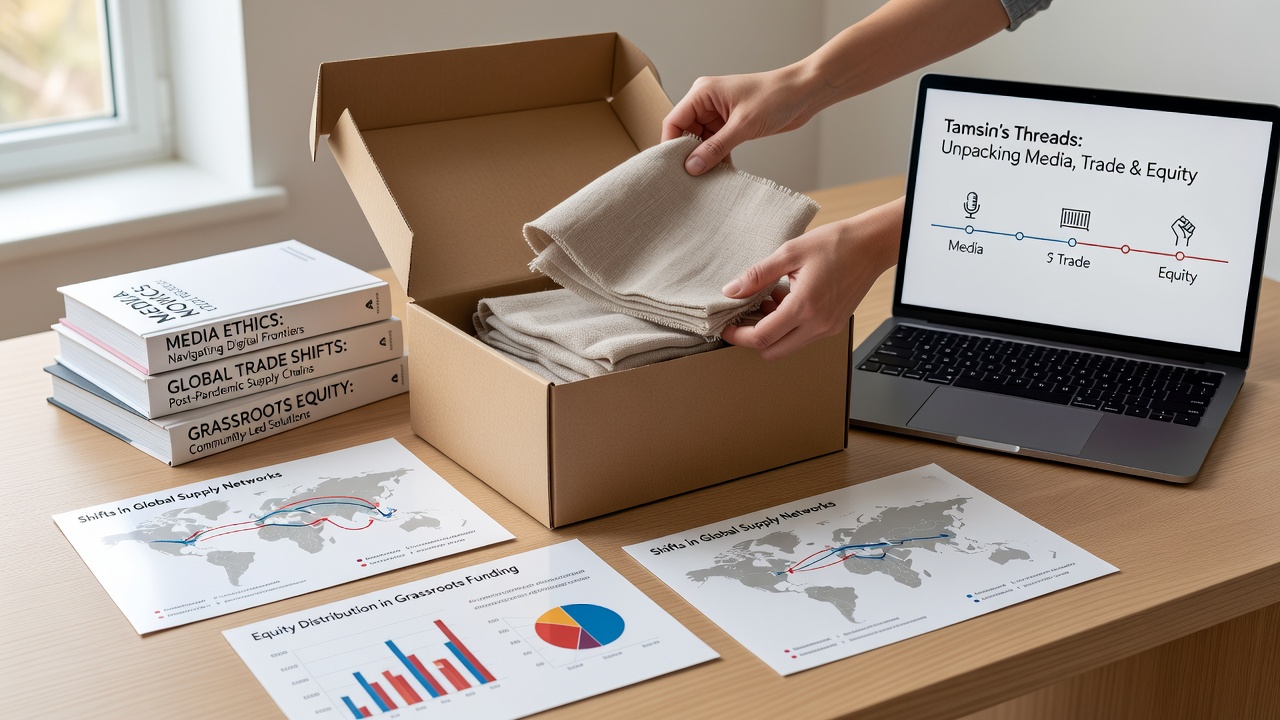
Grassroots Equity Efforts in Practice
Community initiatives often emerge in response to trade-related disruptions, and evidence suggests that coordinated local programs can mitigate negative impacts while building resilience. Participants in these efforts typically focus on skills training, fair labor standards, and access to resources that larger trade frameworks might overlook. One study revealed that regions with active grassroots networks experienced steadier employment rates during periods of tariff realignment compared to areas without such structures.
Those who've studied successful cases point to partnerships between nonprofits and municipal governments as key factors, because these collaborations allow for targeted interventions based on real-time economic data. The reality is that equity work requires sustained attention to both immediate needs and longer-term structural changes, and reports from research institutions document measurable improvements in income distribution where such integrated approaches are applied.
Linking the Threads Through Documented Patterns
Patterns emerge when media reporting on trade policies incorporates input from equity-focused groups, leading to more comprehensive coverage that reflects diverse stakeholder perspectives. According to aggregated findings across multiple studies, this integration reduces gaps in public awareness and encourages policy refinements that account for localized effects. Observers note that platforms hosting cross-sector dialogues have facilitated exchanges where journalists, trade specialists, and community leaders share insights drawn from their respective fields.
Turns out these connections strengthen over time, as repeated interactions build shared vocabularies and reference points that make subsequent collaborations more efficient. Data shows increased citation of grassroots reports in mainstream trade analysis during recent cycles, which supports broader understanding of how global decisions translate into everyday realities for affected populations.
Conclusion
Overall, the documented intersections among media ethics, trade dynamics, and equity initiatives continue to evolve, with available evidence highlighting the value of cross-referencing information from regulatory bodies, academic sources, and on-the-ground projects. Continued tracking through established channels will provide further clarity on developments leading into late 2026 and beyond.